

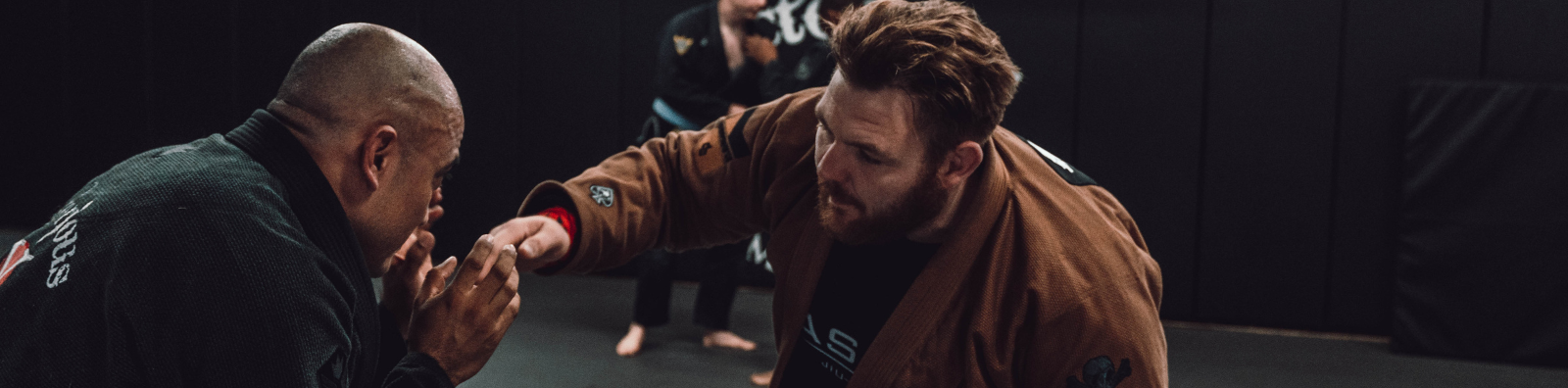

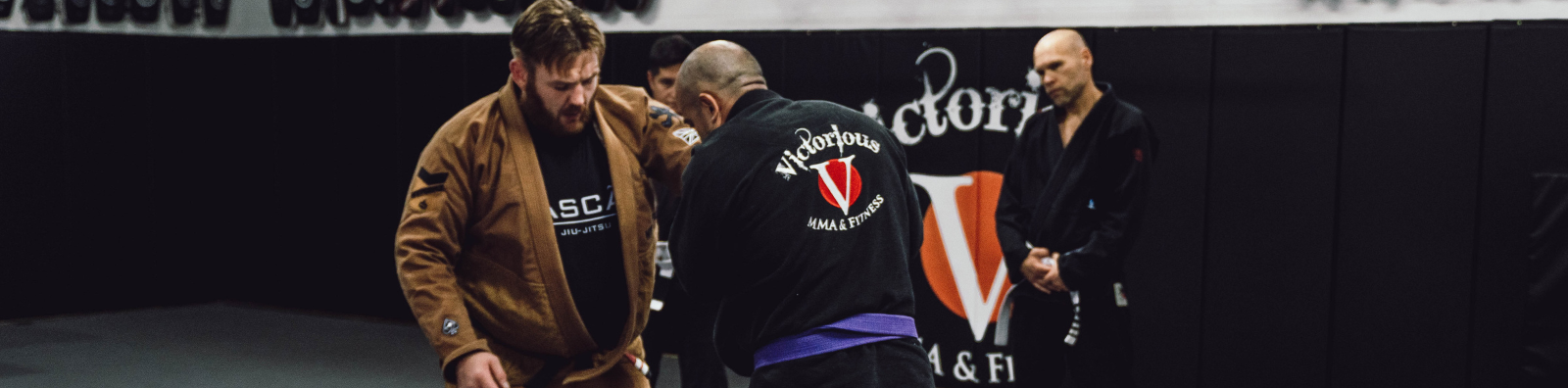

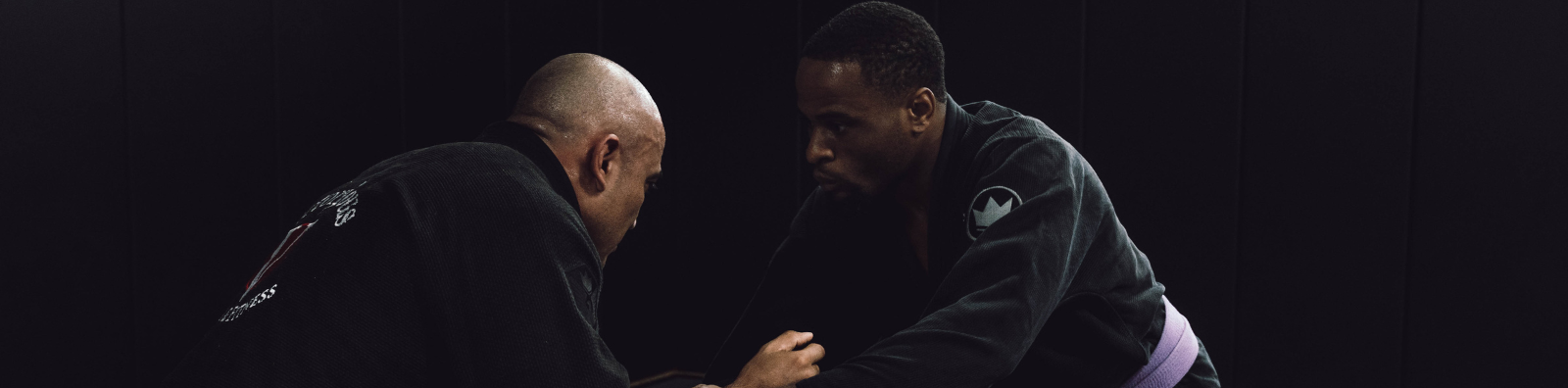
Transitioning from military to civilian life can be a challenging journey for many veterans. The shift involves not only adjusting to a less structured environment but also navigating emotional, physical, and social changes. While traditional therapy and support programs provide valuable assistance, martial arts training has emerged as a powerful tool that helps veterans regain balance, confidence, and purpose. We at Foxhole Veterans Charity Foundation would like to offer some insight on how martial arts training supports veterans returning to civilian life.
Physical Benefits That Restore Confidence
Military service often instills a strong sense of physical discipline, and veterans may miss the structured physical activity that comes with active duty. Martial arts training offers a familiar, yet adaptable, environment where veterans can maintain their strength, flexibility, and stamina. Techniques such as striking, grappling, and forms provide a full-body workout that reinforces muscle memory and coordination. The physical challenge of martial arts can help veterans regain confidence in their bodies, particularly for those recovering from injuries or adapting to life with physical limitations.
Mental & Emotional Resilience
Perhaps the most profound impact of martial arts lies in its mental and emotional benefits. Many veterans face challenges such as post-traumatic stress disorder (PTSD), anxiety, or depression. Martial arts emphasizes mindfulness, focus, and controlled breathing, all of which help reduce stress and improve mental clarity. Training routines teach veterans to respond calmly under pressure, a skill directly transferable to civilian life. The disciplined practice of martial arts also fosters patience and perseverance, helping veterans build resilience as they navigate the uncertainties of post-military life.
Community & Camaraderie
One of the biggest adjustments for veterans is the loss of the tight-knit camaraderie found in the military. Martial arts dojos and programs provide a sense of community and belonging. Veterans train alongside others who understand discipline, sacrifice, and the challenges of military life. This shared experience creates bonds that are crucial for emotional support and social reintegration. Many veterans find that martial arts clubs become surrogate families, offering encouragement, mentorship, and friendship.
Building Purpose & Routine
A structured routine is a hallmark of military life, and its absence can leave veterans feeling adrift in civilian society. Martial arts classes provide a predictable schedule and goal-oriented environment, whether it’s mastering a new technique, achieving a belt promotion, or preparing for a tournament. This sense of purpose gives veterans measurable achievements to work toward, restoring a feeling of accomplishment and self-worth.
Transferring Skills to Civilian Life
The lessons learned on the mat extend beyond training. Veterans gain self-discipline, emotional regulation, leadership skills, and stress management techniques, all transferable to careers, education, and personal relationships. Martial arts teaches problem-solving, focus, and persistence, helping veterans approach civilian challenges with confidence and clarity.
Training Veterans Out of Victorious Gym in Milford, The Crown MMA Gym in Troy, Champion Jiu Jitsu & MMA in Chesterfield, Voyage Jiu Jitsu in St. Clair Shores & Longhouse Submission Grappling in Grand Blanc, Michigan
Martial arts training offers a holistic approach to helping veterans reintegrate into civilian life. It combines physical conditioning, mental resilience, social support, and structured goals to create a path toward healing, empowerment, and renewed purpose. By embracing martial arts, veterans can reconnect with their strengths, rebuild confidence, and thrive in life after service. Call Foxhole Veterans Charity Foundation for more information, whether you are looking to donate or participate.
