

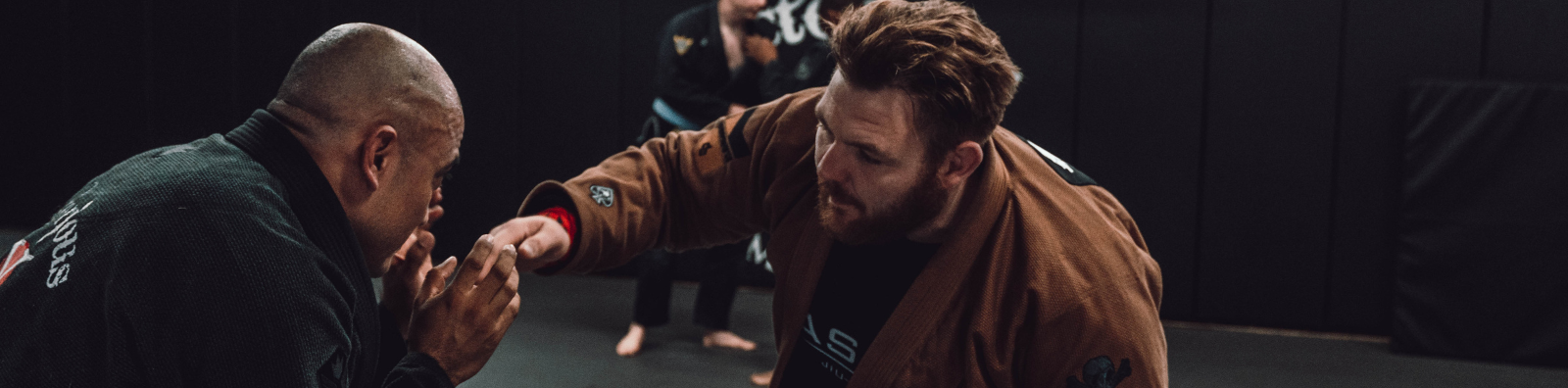




Depression can feel like an invisible weight, a persistent fog that clouds your thoughts and drains your motivation. Many people search for effective ways to manage their mental health, and while therapy and medication are often key components, physical activity can also play a transformative role. One martial art that has gained attention for its mental health benefits is Brazilian Jiu Jitsu (BJJ). Beyond being a combat sport, Jiu Jitsu provides structure, community, and a sense of accomplishment that can help alleviate depressive symptoms. In this blog post, the experts from Foxhole Veterans Charity Foundation dive deeper into this.
Physical Activity Boosts Mental Health
Exercise has long been recognized as a natural antidepressant, and Jiu Jitsu offers a unique form of physical activity that combines strength, endurance, and flexibility training. The physical exertion involved in drilling techniques, sparring, and rolling releases endorphins, the brain’s natural “feel-good” chemicals. This boost in endorphins can help lift mood, increase energy, and reduce feelings of anxiety. Unlike repetitive workouts at the gym, BJJ constantly challenges both body and mind, keeping practitioners engaged and motivated to continue training.
A Sense of Progress & Achievement
One of the most profound aspects of Jiu Jitsu is its belt system, which provides tangible markers of progress. For someone struggling with depression, celebrating small victories—whether learning a new submission, escaping a difficult position, or achieving a higher belt—can help rebuild self-esteem. These moments of accomplishment create a sense of purpose and direction, counteracting the hopelessness and lack of motivation often associated with depression.
Community & Social Connection
Depression can isolate people, making it difficult to feel connected to others. Jiu Jitsu fosters a strong sense of community, as training is inherently collaborative. Practitioners rely on partners for drilling techniques and sparring, encouraging trust, communication, and camaraderie. Being part of a supportive group provides emotional connection and accountability, reducing feelings of loneliness and helping practitioners feel valued and understood.
Mindfulness & Mental Focus
Jiu Jitsu requires intense mental focus and strategic thinking. Practitioners must remain present, analyzing their opponent’s movements while executing techniques effectively. This focus cultivates mindfulness, helping individuals step out of negative thought patterns and stay grounded in the present moment. Over time, this mental discipline can spill over into daily life, promoting resilience, emotional regulation, and a more positive outlook.
Building Resilience Through Challenge
Facing challenges on the mat mirrors overcoming obstacles in life. In Jiu Jitsu, failure is part of learning; being submitted or outmaneuvered is not defeat but an opportunity to grow. This mindset encourages resilience, patience, and persistence—qualities that can be applied when confronting depressive episodes. Learning to embrace setbacks and continue striving can empower individuals to regain control over their mental health.
Training Veterans Out of Victorious Gym in Milford, The Crown MMA Gym in Troy, Champion Jiu Jitsu & MMA in Chesterfield, Voyage Jiu Jitsu in St. Clair Shores & Longhouse Submission Grappling in Grand Blanc, Michigan
In conclusion, Brazilian Jiu Jitsu is more than a martial art—it is a holistic tool for mental well-being. Through physical exertion, personal achievement, social connection, mindfulness, and resilience, Jiu Jitsu offers pathways to finding relief from depression. For those seeking a proactive and engaging approach to mental health, stepping onto the mat at Foxhole Veterans Charity Foundation may be the first step toward renewed hope and emotional strength. Book your next class with Foxhole Veterans Charity Foundation today and experience that relief for yourself.
