

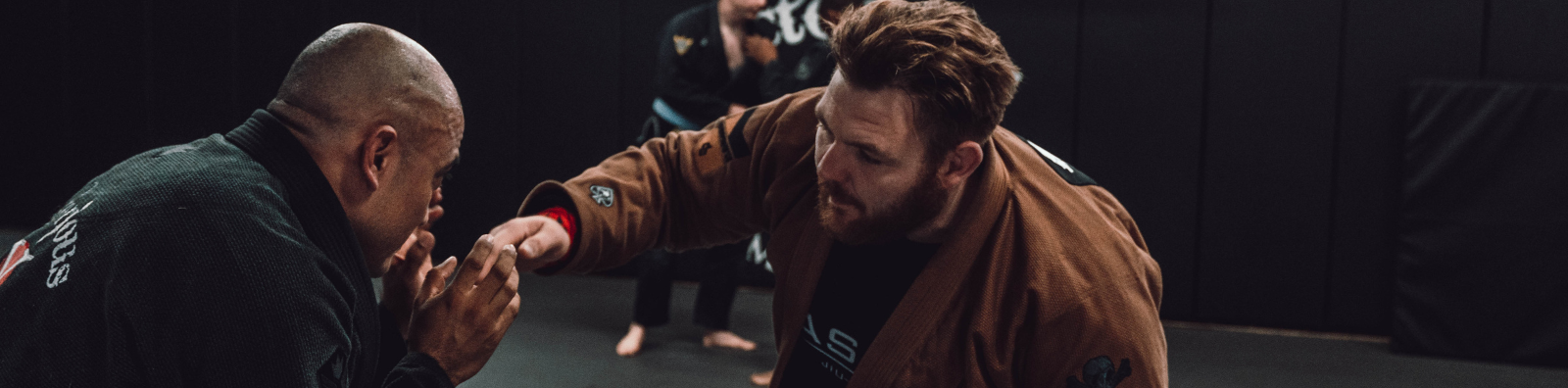




Training in Jiu-Jitsu is physically demanding, requiring strength, endurance, and mental focus. For veterans, proper nutrition is essential not only to enhance performance on the mat but also to support overall health, recovery, and wellbeing. With the right eating habits, veterans can maximize their training, recover faster, and maintain long-term vitality. Today, we at Foxhole Veterans Charity Foundation would like to offer some nutrition tips for veterans involved with Jiu-Jitsu training.
Fuel Your Body for Training
Energy is the foundation of any effective Jiu-Jitsu practice. Carbohydrates are the body’s primary energy source, and veterans should focus on complex carbs like whole grains, sweet potatoes, brown rice, and oats. These foods provide sustained energy for training sessions without causing blood sugar spikes and crashes. Pairing carbs with lean protein, such as chicken, fish, or tofu, helps support muscle repair and keeps energy levels stable throughout the day.
Prioritize Protein for Recovery
Jiu-Jitsu involves intense grappling, rolling, and strength exercises, which can create micro-tears in muscles. Protein is crucial for repairing and rebuilding muscle tissue. Veterans should aim for a balanced intake of protein at each meal, incorporating sources like eggs, lean meats, legumes, dairy, and plant-based proteins. Consuming a protein-rich snack within 30–60 minutes after training, such as a protein shake or Greek yogurt with fruit, can accelerate recovery and reduce soreness.
Don’t Forget Healthy Fats
Healthy fats play an important role in hormone regulation, brain function, and long-term energy. Foods rich in omega-3 fatty acids, such as salmon, walnuts, flaxseeds, and chia seeds, help reduce inflammation and support joint health, which is especially important for veterans managing past injuries or joint stress from training. Including moderate amounts of healthy fats in meals also helps maintain satiety, keeping hunger at bay during busy training days.
Hydration is Key
Dehydration can severely impact performance, focus, and recovery. Veterans training in Jiu-Jitsu should aim to drink water consistently throughout the day, not just during practice. Electrolyte-rich drinks or coconut water can be helpful during long sessions or hot environments to replenish lost minerals. Adequate hydration also aids digestion, nutrient absorption, and overall physical performance.
Plan for Balanced Meals
A well-rounded meal for a veteran training in Jiu-Jitsu should include a balance of complex carbohydrates, high-quality protein, and healthy fats, along with plenty of vegetables and fruits. These nutrient-dense foods provide essential vitamins, minerals, and antioxidants that support energy production, immune health, and overall recovery.
Listen to Your Body
Every veteran’s nutritional needs can differ based on age, metabolism, activity level, and training intensity. Paying attention to hunger cues, energy levels, and performance can help guide meal timing and portion sizes. Consulting with a nutritionist or dietitian familiar with athletic training for veterans can also provide personalized strategies to optimize results.
Training Veterans Out of Victorious Gym in Milford, The Crown MMA Gym in Troy, Champion Jiu Jitsu & MMA in Chesterfield, Voyage Jiu Jitsu in St. Clair Shores & Longhouse Submission Grappling in Grand Blanc, Michigan
Proper nutrition is a cornerstone of Jiu-Jitsu success. By fueling the body with the right balance of carbohydrates, proteins, fats, and hydration, veterans can train more effectively, recover faster, and feel stronger both on and off the mat. With mindful eating and balanced meals, the journey through Jiu-Jitsu can become not only a path to physical fitness but also a means of promoting long-term health and resilience. Whether you are looking to join us on the mat, or looking to donate for Veteran charity, reach out to Foxhole Veterans Charity Foundation.
