





– CFLI_Foxhole_Pixel
Foxhole Veterans Charity Foundation in Milford & Troy, MI
FOXHOLE VETERAN STORIES
UPCOMING EVENTS

🍦A DAY TO HONOR🍦
Join us for a great time, great food and the best purpose!
📍Location: Swirly Top, 47009 Jefferson Ave, Chesterfield MI 48047
📅Date: Saturday, August 1st
⌚Time: 2pm-6pm
💗Donation: $25
Bounce Houses | Yard Games | Great Food | Raffles | Family Fun
Your Donation Includes:
– 1 item from Licensed to Grill Food Truck
– 1 item from Bart’s Pizza Food Truck
– 1 item from Grampie’s Clam Shell
– 1 Beverage

🍷AN EVENING TO HONOR🍷
Join us for great wine, good beer, great food and a greater purpose!
📍Location: Tombstone Brewery Beer Garden, 47420 Jefferson Ave, Chesterfield MI 48047
📅Date: Saturday, August 15th
⌚Time: 5pm-9pm
💗Donation: $50
Live music by Part Time Jam
Your Donation Includes:
– 1 Bottle of Outlaw Angel Wine
– 1 Wine, Beer or Hard Cider
– 1 Item from the Food Truck

⚾ROYAL OAK LEPRECHAUNS
HOME GAMES⚾
Foxhole will be at every home game.
The Royal Oak Leprechauns play their home games in the Northwoods League at Memorial Park (often called “The Lucky Corner”) at 13 Mile and Woodward in Royal Oak, Michigan.
We’ll have cool raffle items and
be raising funds and awareness
for our Veterans!

⛳1ST ANNUAL FOXHOLE GOLF OUTING⛳
We’re bringing everyone together for a full day of golf, community, and good times — proudly sponsored by Latham Law.
🏌️EACH GOLFER REGISTERED BEFORE 8/1/26 WILL RECIEVE 1 RAFFLE TICKET FOR A CHANCE TO WIN A 75 INCH TV!🏌️
Format: Four Person Scramble
Cost: Foursome Price: $500, Individual Price: $125 (Lunch on the Turn and Dinner after Round)
CLICK HERE TO REGISTER
MAKE A DIFFERENCE! CLICK HERE TO DONATE TODAY!
Welcome to Foxhole
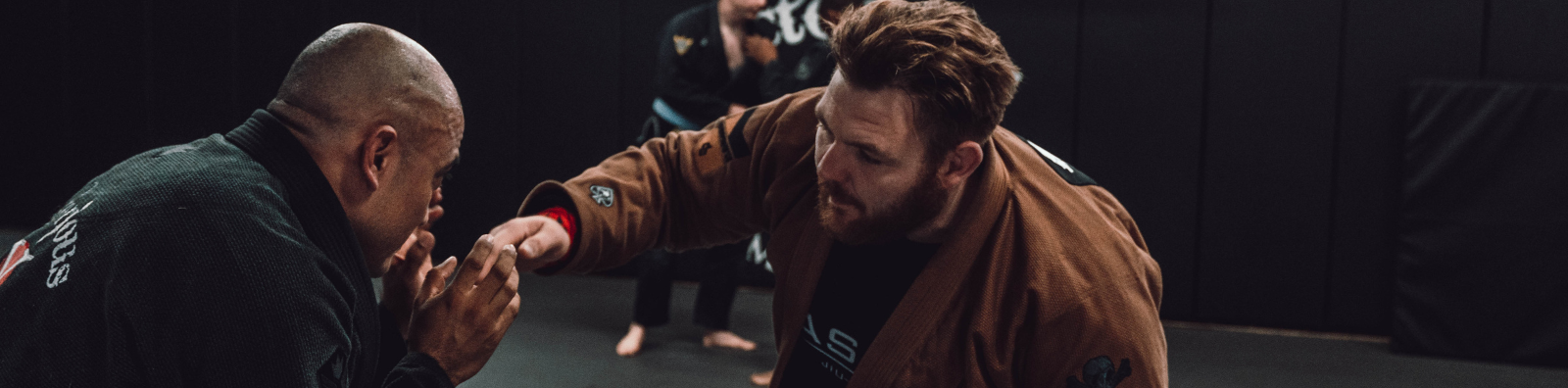
At Foxhole, we provide a safe haven for returning veterans as they transition back into civilian life. Our community offers emotional and psychological support through a unique blend of physical training and peer connection. Join us in our mission to support those who have served.
Martial Arts Training & Support for Our Vets
Foxhole is dedicated to supporting our country’s veterans with training and assistance inside and outside the gym. Our mission is to assist veterans with their return to society through martial arts. We are here to support vets through any challenge they may encounter. There is a mutual trust and military style friendship that emerges as we take on these challenges together.
CLICK HERE TO VIEW FOXHOLE VETERAN STORY VIDEOS to learn why you should get on the mat with us today!
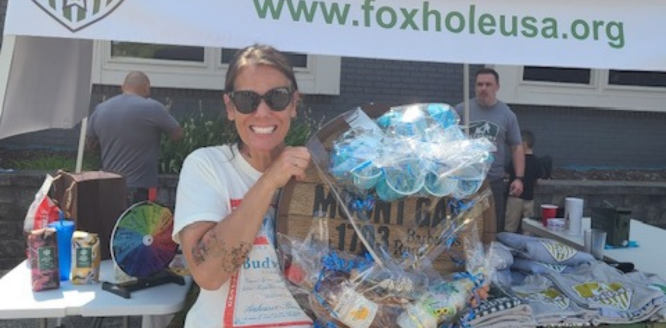
Foxhole is a 501(c)3, and our board runs several raffles and a wide range of events throughout the year to raise funds to support veterans in need. Unfortunately, we can’t move fast enough to help every veteran needing our assistance. Whether it is just a one-time gift or a monthly donation, every penny counts! You can feel confident that all donations are used for veteran athletes to get the training they need. Help meet urgent needs that can bring immediate comfort and support by donating today. Check out our website to learn about our upcoming fundraisers and how you can help.
Training & Fighting Out of Victorious Gym, 444 W Maple Rd, Suite A, Troy, MI 48084 and The Crown MMA, 141 S. Milford Rd, Milford, MI 48381
Opening Hours:
Mon. 06:00 AM – 08:00 PM
Tue. 06:00 AM – 09:00 PM
Wed. 08:30 AM – 08:00 PM
Thu. 06:00 AM – 09:00 PM
Fri. 08:30 AM – 08:00 PM
Sat. 08:30 AM – 11:30 AM
Sun. 12:00 PM – 02:00 PM
Martial Arts Training – Engage in our premium martial arts programs designed specifically for veterans. Train with fellow veterans, build physical strength, and find a supportive community.
Crisis Management – Our team provides crisis management support to help veterans and their families navigate challenges with employers, family dynamics, and community reintegration.

Assisting Veterans with their Return to Society through Martial Arts
Our Mission
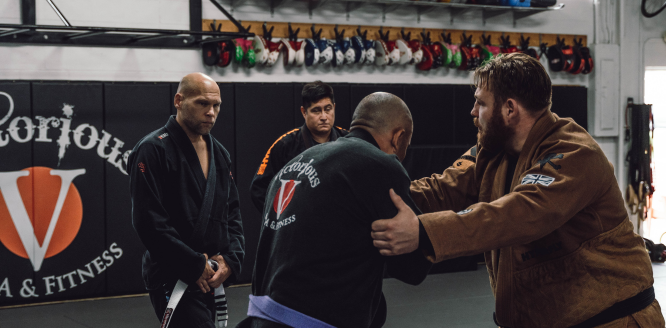
Foxhole is dedicated to assisting veterans as they re-enter civilian life. We offer a premium martial arts gym where veterans can learn physical skills alongside their peers. This environment serves as a gateway to provide crisis management support for veterans and their families, helping them navigate the challenges of daily life.
Make A Donation
Every donation counts! No matter the amount, your donation can drastically improve the lives of our service members and their loved ones. Help us get Veteran athletes the training they need today. Your generosity helps us provide critical support to veterans and their families. Donate today and make a lasting impact.
Join Us
Become a Member – Are you a veteran looking for support and community? Join Foxhole today and connect with fellow veterans who understand your journey. Together, we can build strength and resilience.
Support Our Mission – Your donations make a difference. Help us continue to provide essential support to veterans and their families. Every contribution helps us create a safe space for those who have served.
Upcoming Events
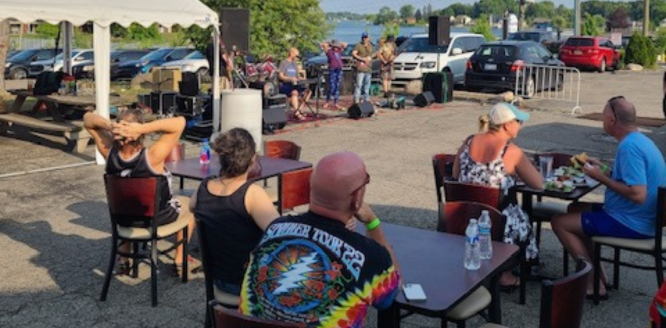
Our board runs several raffles and a wide range of events throughout the year to raise funds to support veterans in need. Click here to learn about upcoming events!
Join Today
Whether you’re a veteran seeking support or a family member looking to help, Foxhole is here for you. Join us today and be part of a community that cares.

Foxhole Friends
Click here to see a list of our strongest supporters. And if you own or represent a business that may be interested in partnering with us, let us know!
Help Us Lift Up Those Who Protect and Preserve Our Freedoms
Veteran Helpline
If you are a service member, veteran (or a SM’s friend/family) with an immediate crisis, call the Veteran Crisis Line at 800-273-8255, text 838255 for help (24/7 responses) or visit www.veterancrisisline.net
ANOTHER RESOURCE FOR VETS:
CLICK HERE to Sign Up for the Mission Possible Course Today!
The program ‘Mission Possible’ was created for military veterans and their family members who would like to learn mind-body skills that reduce stress and build strength, confidence, and motivation. It features more than 50 years of experience in Mind-Body medicine in one life-changing program by Dr. Martin Rossman. Thanks to DVNF donors, all materials are free to the first 560 military veterans and first responders or their family members who signup!
