



Supporting a veteran as they transition back into civilian life is a meaningful but often complex journey. Organizations like the Foxhole Veterans Charity Foundation understand that reintegration goes far beyond coming home—it involves rebuilding routines, relationships, and a sense of purpose. Whether your loved one recently left active duty or has been home for years but still struggles to adjust, your patience and understanding can make a lasting difference.
Understanding the Transition Experience
Life in the military is highly structured, mission-driven, and built on clear roles and expectations. Civilian life, by contrast, can feel unpredictable and unstructured. Veterans may miss the camaraderie, clear hierarchy, and sense of belonging they once had. Recognizing that this cultural shift can feel disorienting helps you approach your loved one with empathy rather than frustration.
Create a Safe Space for Communication
Many veterans have experienced events that are difficult to talk about, and some may not want to share at all. Let them set the pace. Instead of pressing for details, make it clear that you are available when and if they want to talk. Listening without judgment, minimizing advice, or trying to “fix” things can help build trust and emotional safety.
Be Patient With Emotional Adjustments
Mood changes, irritability, withdrawal, or heightened alertness can be part of the adjustment process. These responses are not personal, even when they affect family dynamics. Maintaining patience and consistency helps your loved one feel secure. Encourage healthy coping strategies such as exercise, creative outlets, or spending time outdoors, while understanding that progress may be gradual.
Support New Routines & Purpose
In the military, daily life revolves around a clear mission. After service, veterans may struggle with a loss of direction. Helping them establish routines, set goals, or explore new interests can restore a sense of purpose. This might include education, volunteering, hobbies, or career exploration. Celebrate small wins to reinforce confidence and motivation.
Encourage Professional & Peer Support
There is strength in seeking help, but many veterans hesitate to do so. Gently normalize counseling, support groups, or veteran-focused programs as tools rather than signs of weakness. Connecting with others who share similar experiences can be especially powerful, as peer support often feels more relatable and less intimidating.
Take Care of Yourself Too
Supporting a veteran can be emotionally demanding. You cannot pour from an empty cup. Make sure you maintain your own support system, boundaries, and self-care routines. When you model healthy behaviors, you also show your loved one that well-being matters for everyone in the household.
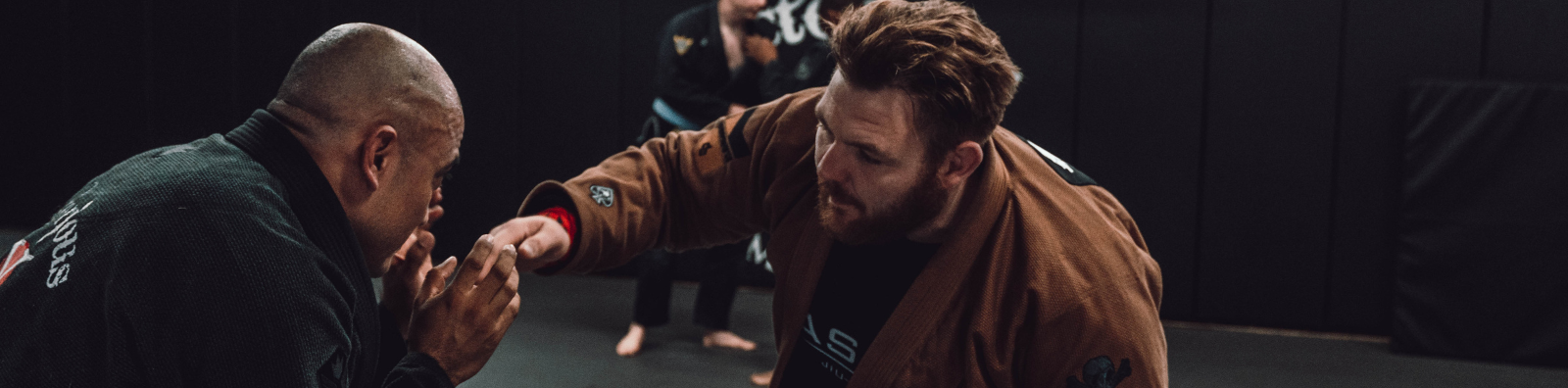
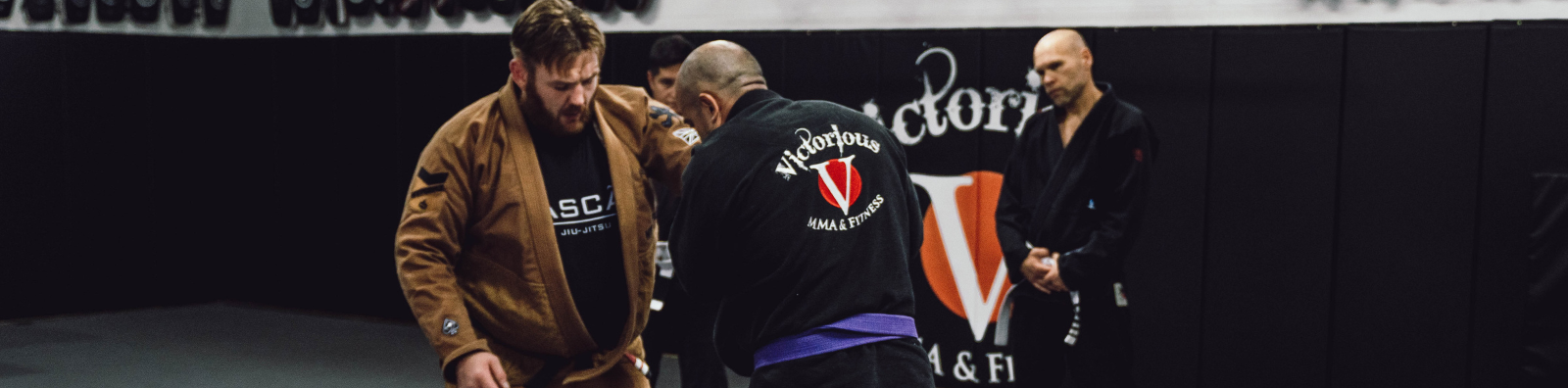
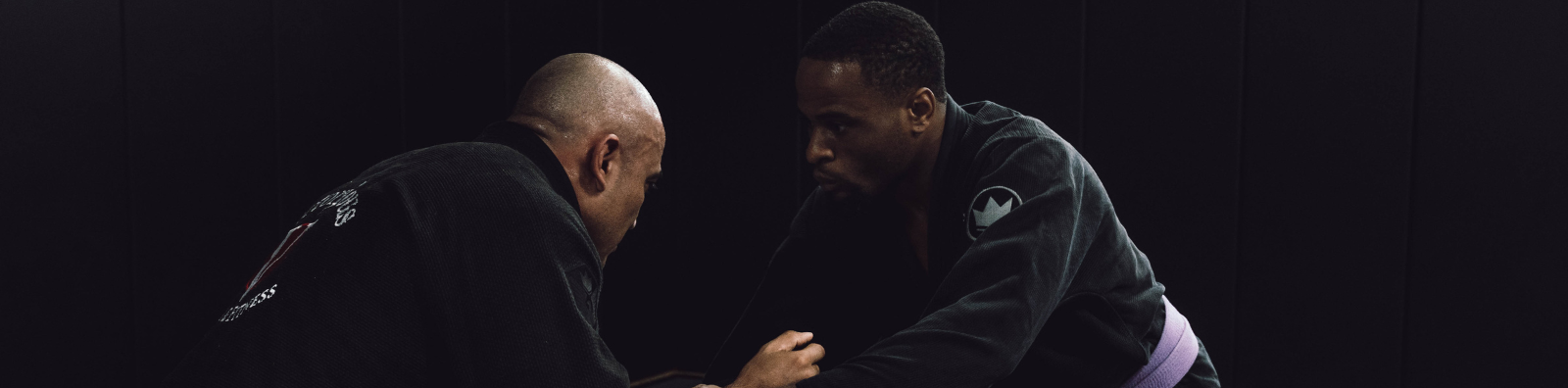
Training Veterans Out of Victorious Gym in Milford, The Crown MMA Gym in Troy, Champion Jiu Jitsu & MMA in Chesterfield, Voyage Jiu Jitsu in St. Clair Shores & Longhouse Submission Grappling in Grand Blanc, Michigan
Helping a veteran acclimate to civilian life is not about rushing the process or expecting things to “go back to normal.” It is about creating a new normal together—one built on respect, patience, and mutual growth. Foxhole Veterans Charity Foundation is dedicated to supporting veterans and the people who love them through every stage of this transition. If you want to make a difference or need additional resources, consider getting involved or supporting organizations that stand with our veterans as they rebuild their lives.
