

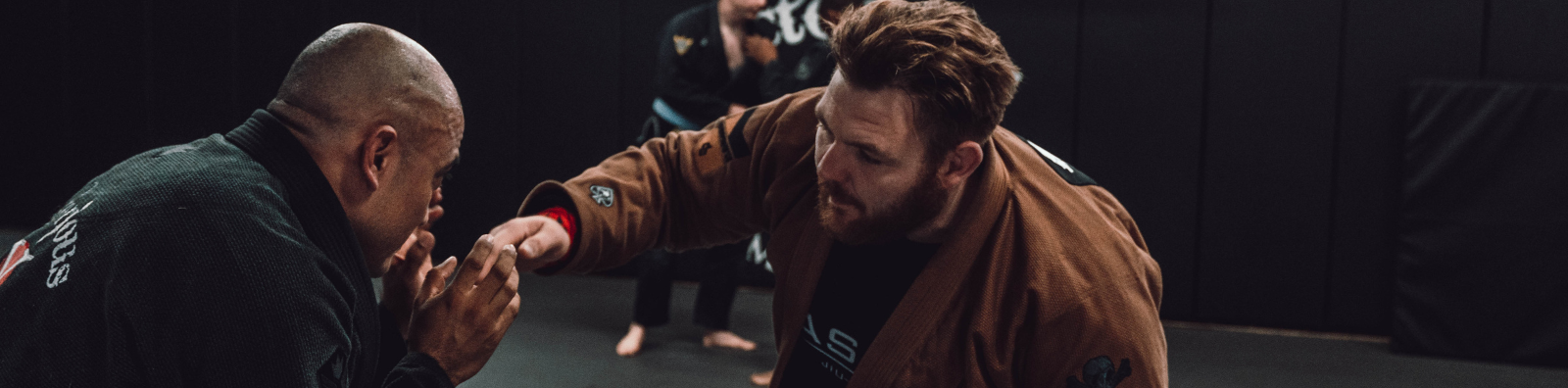



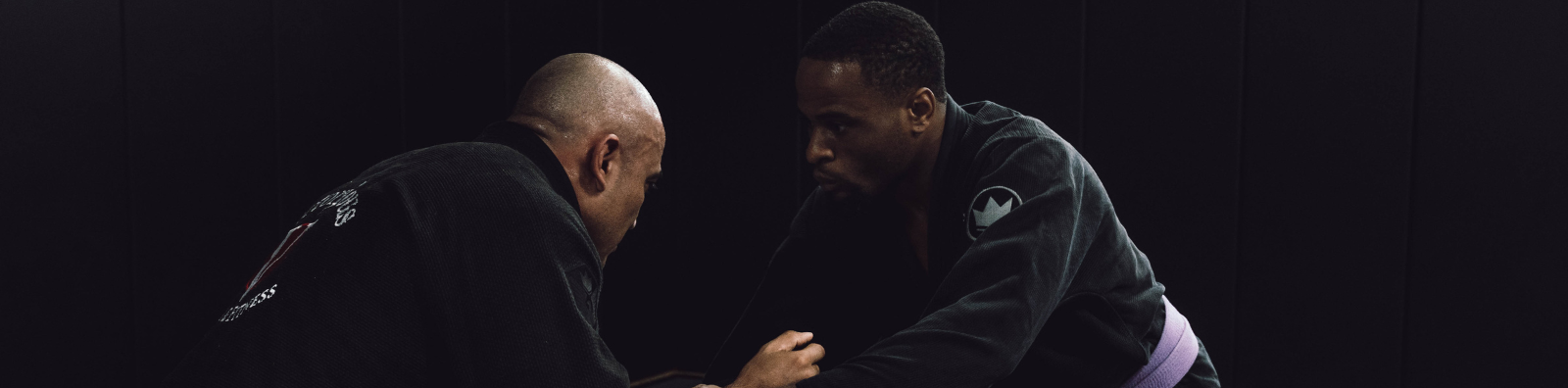
For many veterans, the transition from military to civilian life comes with unique challenges, including physical injuries, anxiety, depression, and post-traumatic stress disorder (PTSD). While traditional therapies play a crucial role, an often-overlooked tool in trauma recovery is martial arts. Beyond self-defense and fitness, martial arts provides scientifically backed benefits that help veterans heal both mentally and physically. Today, we at Foxhole Veterans Charity Foundation would like to take the opportunity to discuss the science behind martial art training aiding in trauma recovery.
Physical Movement & Neuroplasticity
Martial arts training involves coordinated, repetitive movements that challenge the body in ways standard exercise does not. Studies have shown that structured physical activity can promote neuroplasticity, the brain’s ability to form new neural connections. For veterans who have experienced trauma, neuroplasticity can aid in rebuilding emotional regulation, improving focus, and mitigating stress responses triggered by PTSD. Essentially, practicing martial arts can help the brain retrain itself to respond more calmly to stressful situations.
Mindfulness & Stress Reduction
Many martial arts styles incorporate elements of mindfulness, meditation, and controlled breathing. Whether it’s the deliberate stances in karate, the flowing movements in tai chi, or the deep breathing techniques in judo, these practices activate the parasympathetic nervous system, which reduces stress and promotes relaxation. Research has found that mindfulness exercises can lower cortisol levels, the hormone associated with stress, and improve sleep quality, which is especially critical for veterans struggling with trauma-related insomnia.
Confidence, Resilience, & Emotional Regulation
Trauma often leaves individuals feeling powerless or hyper-vigilant. Martial arts helps veterans regain a sense of control and empowerment. Structured training, goal-setting, and progression through belt systems provide measurable milestones, boosting self-efficacy and confidence. Additionally, controlled sparring or partner exercises teach veterans how to manage emotions such as anger and fear, translating these lessons into everyday life. Over time, martial arts fosters resilience, encouraging veterans to confront challenges both on and off the mat.
Community & Social Support
Trauma recovery is not just a personal journey, it’s also a social one. Martial arts classes create a safe, supportive environment where veterans can connect with peers who understand their experiences. This community aspect is critical for reducing isolation, promoting accountability, and providing emotional support. Feeling understood and supported in a group setting has been shown to accelerate recovery and improve overall well-being.
Training Veterans Out of Victorious Gym in Milford, The Crown MMA Gym in Troy, Champion Jiu Jitsu & MMA in Chesterfield, Voyage Jiu Jitsu in St. Clair Shores & Longhouse Submission Grappling in Grand Blanc, Michigan
Martial arts is more than a physical discipline; it’s a scientifically supported method for healing trauma, strengthening the mind-body connection, and building resilience. By combining physical movement, mindfulness, emotional regulation, and social support, martial arts offers veterans a holistic pathway to recovery. For those seeking a non-traditional approach to mental health and trauma, stepping onto the mat may be the first step toward reclaiming strength, confidence, and balance in life. Reach out to Foxhole Veterans Charity Foundation whether you are looking for training as a veteran, or looking to donate to the cause, we are dedicated to the care of our veterans.
